Banana plantation with bunches of fruit and fibrous stems
Dried banana leaves and stalks
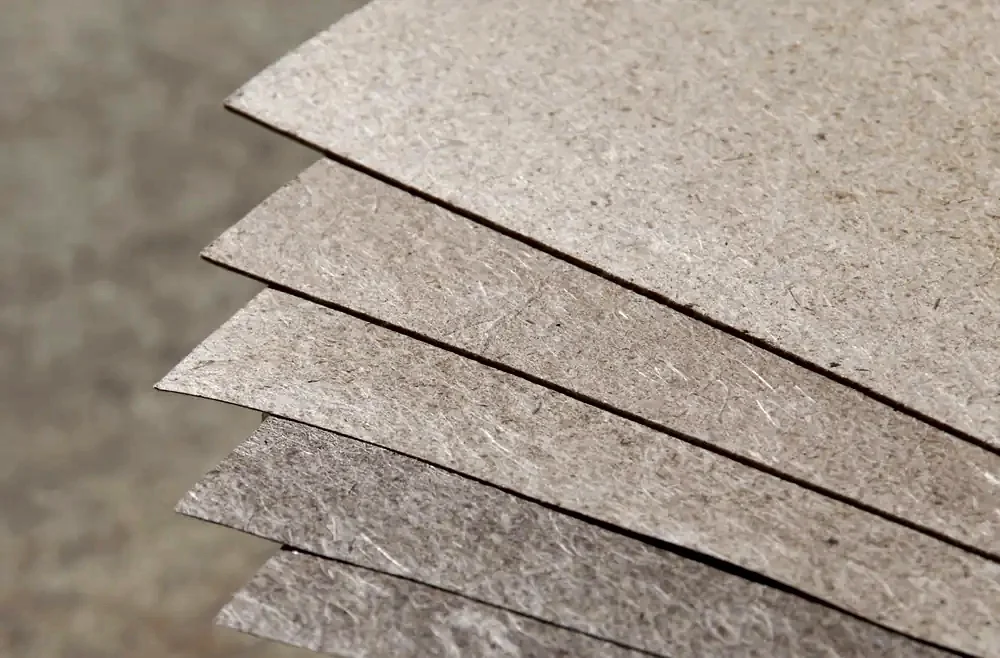
Sheets of Papyrus paperboard

Renewable source,
sustainable future

Papyrus Australia has developed a sustainable processing technology that converts agricultural resources into biodegradable fibre for moulded food packaging, paper, board and other fibre‑based applications.

Our low-impact process turns agricultural resources into a renewable source of virgin fibre, which keeps waste out of landfill and reduces destruction of natural habitats.

Listed on the ASX: PPY

About us

Valuable products from what would otherwise be waste

Through Papyrus' research into environmental substitutes for plastics and wood-based fibre, agricultural resources have been identified as a renewable and sustainable alternative.

Papyrus Australia has developed technology that supports a circular economy by creating valuable products from agricultural resources that would otherwise contribute to climate change and environmental degradation.

The Papyrus process supports the development and distribution of sustainable alternatives to wood-based fibre and plastics. It can supplement, or in some applications replace, wood pulping for moulded packaging, paper and board production, using agricultural resources as the source of fibre for pulp.

Papyrus contributes to a better tomorrow by

  • Creating valuable products from agricultural resources.
  • Developing fibre-based alternatives to conventional plastic products.
  • Providing an alternative fibre source to reduce reliance on wood-based materials.
  • Supporting the productive use of agricultural residues that may otherwise contribute to waste and greenhouse gas emissions.
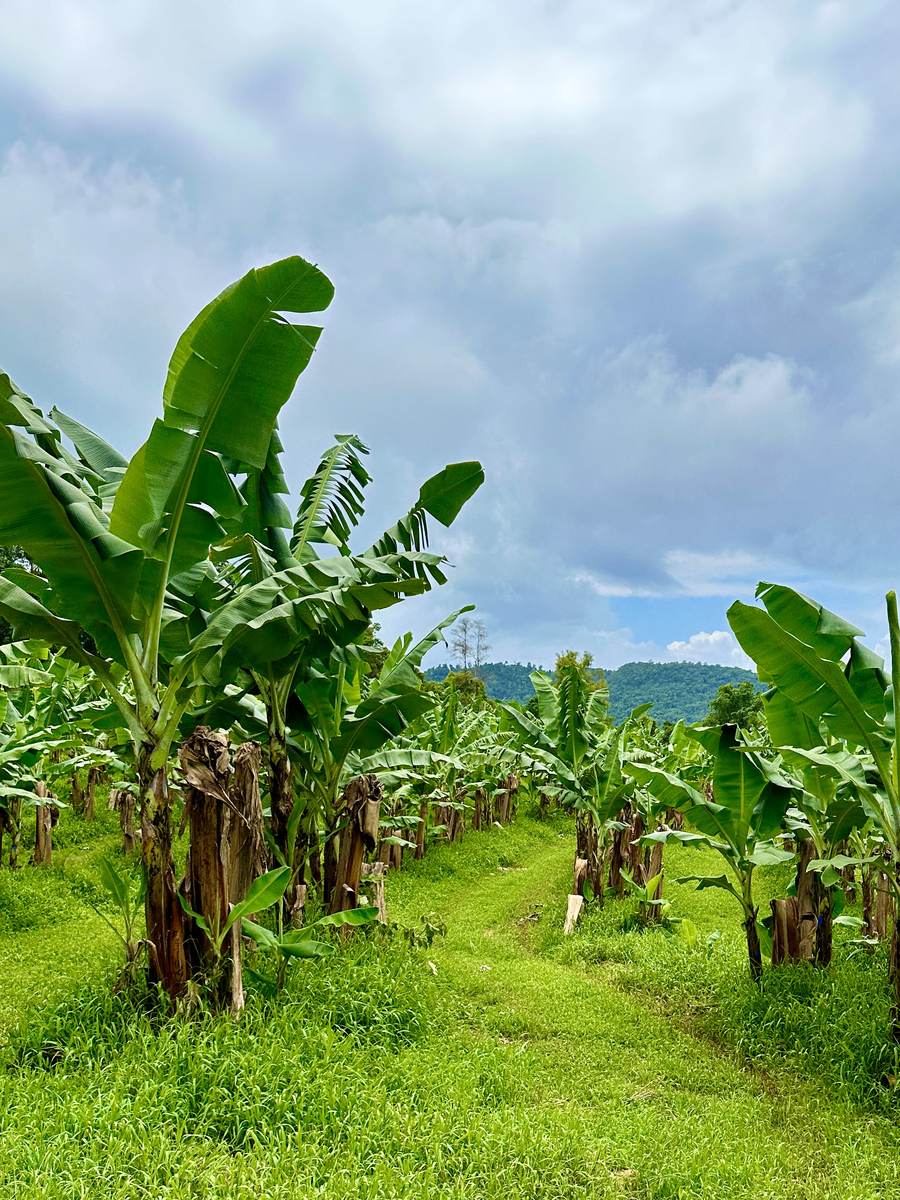
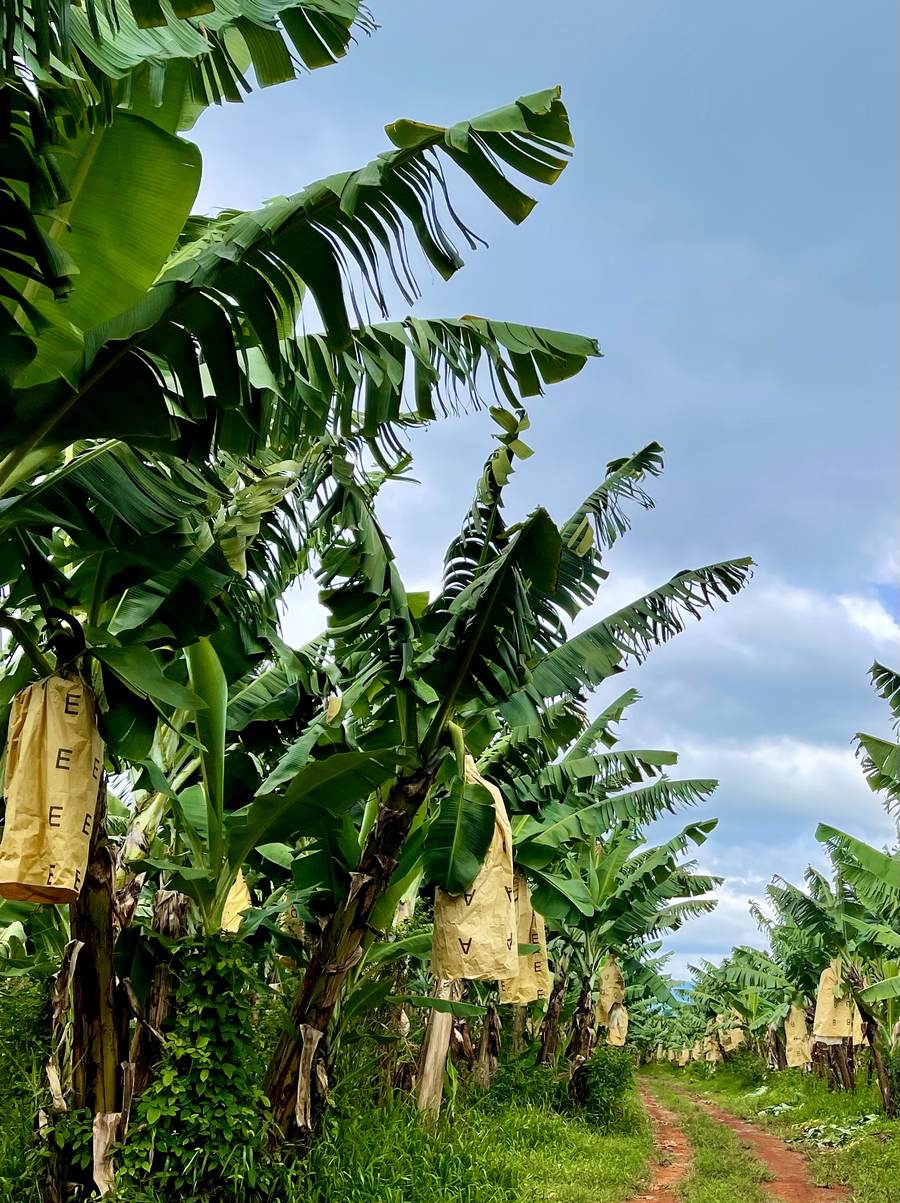
Rows of banana plants in a plantation under a cloudy sky

Why methane matters

  • Organic waste can release methane when it decomposes in oxygen-poor environments, such as landfills.[1]
  • Methane from biological sources has approximately 27 times the global warming potential of carbon dioxide over a 100-year period.[2]
  • Recovering agricultural resources for productive use can help avoid disposal pathways associated with methane emissions.[1]

References

  1. Australian Government, DCCEEW (2025). Recovering organic waste.
  2. IPCC (2021). Climate Change 2021: The Physical Science Basis, Chapter 7, Table 7.15.

Company-specific references: Papyrus Australia Annual Reports, ASX announcements and technical documentation supporting its technology development and product applications.

Commercialisation roadmap

  1. Technology reset

    With the support of paper and pulp industry experts Papyrus reset its technology foundation to enable use in a broad range of applications.

  2. Leadership restructure

    Restructured the Board and leadership team specifically around commercialisation execution.

  3. Paperboard product development

    Accelerated paperboard product development based on customer demand.

  4. IGP grant and investor funding secured

    IGP funding along with matched investor funding secured to enable the establishment of the Rapid Prototyping and R&D Facility.

  5. TBS contract signed

    Secured $4.2m manufacturing and supply contract with TBS Mining for a biodegradable variant of their plastic Collar Keeper.

  6. Prototype facility

    R&D facility established to scale up Papyrus technology and prototype new products for customers.

  7. Paperboard production trials

    Completed paperboard production trials with Papyrus pulp.

Our mission

To accelerate and develop the global shift to commercially viable sustainable materials by transforming agricultural resources into high to medium value fibre products that reduce environmental impact and strengthen circular economy supply chains.

Through advanced fibre processing technology and scalable commercialisation pathways, we empower and enable manufacturing partners to produce renewable, high-performance materials at industrial scale.

Paper bags protecting fruit bunches on plants along a plantation track

Our technology

Sustainable fibre technology powered by nature's own strength

Papyrus Australia has developed a clean, low-impact fibre processing technology that converts agricultural resources, such as banana plantation by-products, into high-performance fibre, board and moulded products. The low impact process preserves the natural bonding strength in the plant and minimises use of natural resources.

Agricultural resourcesFibre and pulpFibre-based products
Papyrus converts agricultural resources into sustainable fibre-based products.

How it works

  1. Sourcing agricultural resources

    We work with growers and processors to collect post-harvest plantation resources that would otherwise be mulched or left to decompose.

  2. Gentle fibre development

    Our patent-pending process treats and develops the fibres using low-impact methods that conserve as much of the original fibre properties as possible.

  3. Harnessing natural bonding

    Our products get their strength from the natural properties already in the plant.

  4. Forming high-performance fibre products

    The pulp can be made into paper, board and moulded products using existing technologies. Papyrus is working with a range of suppliers to optimise equipment for its pulp.

  5. Scalable, low-impact manufacturing

    The technology is designed for modular deployment, so manufacturing partners can set up local production using local waste streams. This reduces transport emissions, supports regional economies and builds circular economy supply chains.

  6. Products for a sustainable future

    The resulting materials are:

    • Strong and lightweight
    • Biodegradable and compostable
    • Suitable for packaging, paper, board, moulded products and other fibre applications

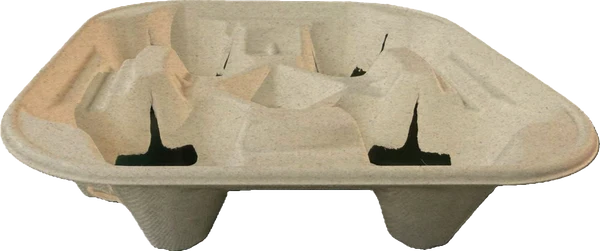
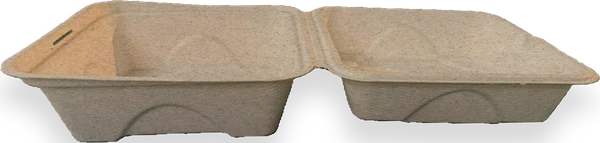
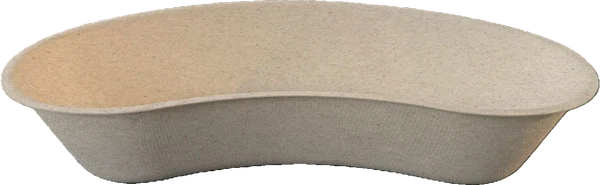
Products from Papyrus pulp

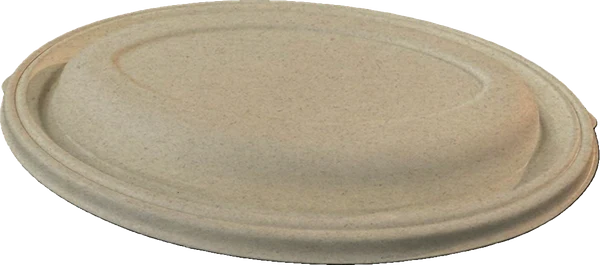
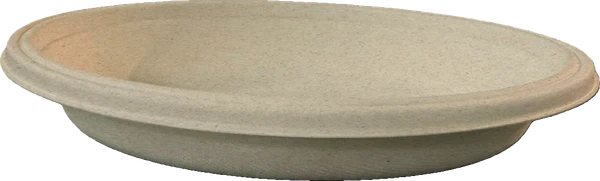
Samples produced from Papyrus pulp, from moulded food packaging to paper and board.

  • Moulded Papyrus fibre cup carrierCup carrier
  • Moulded Papyrus fibre clamshellClamshell
  • Moulded Papyrus fibre kidney trayKidney tray
  • Moulded Papyrus fibre oval lidOval lid
  • Moulded Papyrus fibre oval trayOval tray
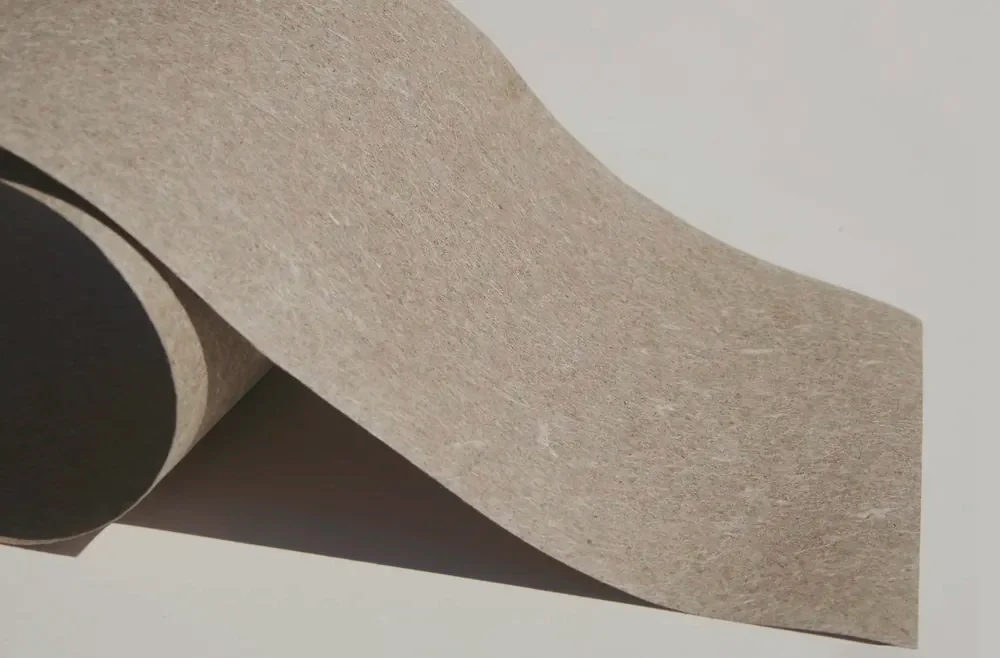
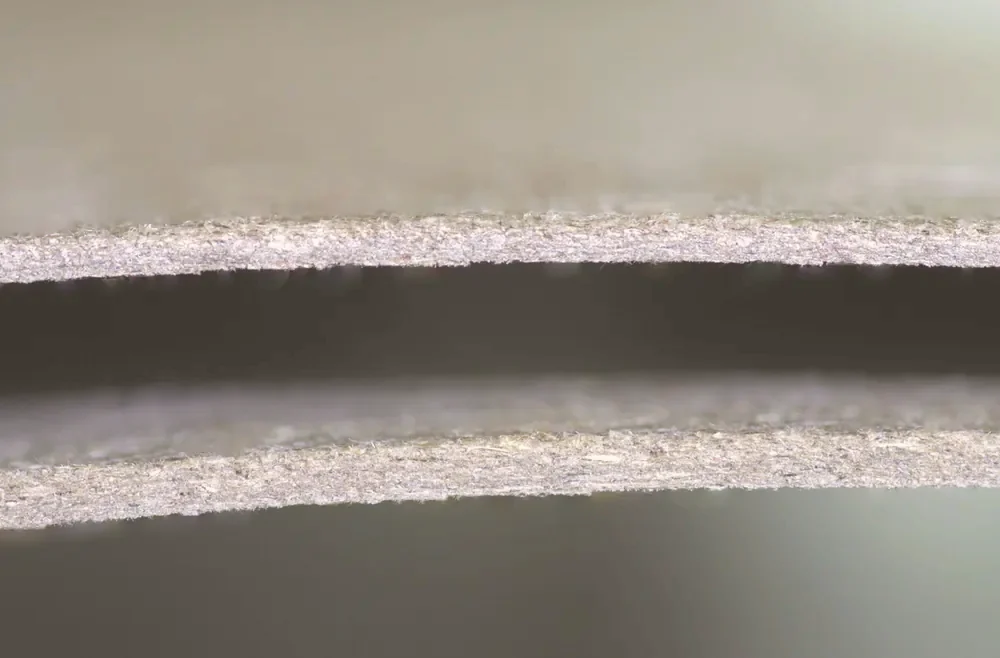
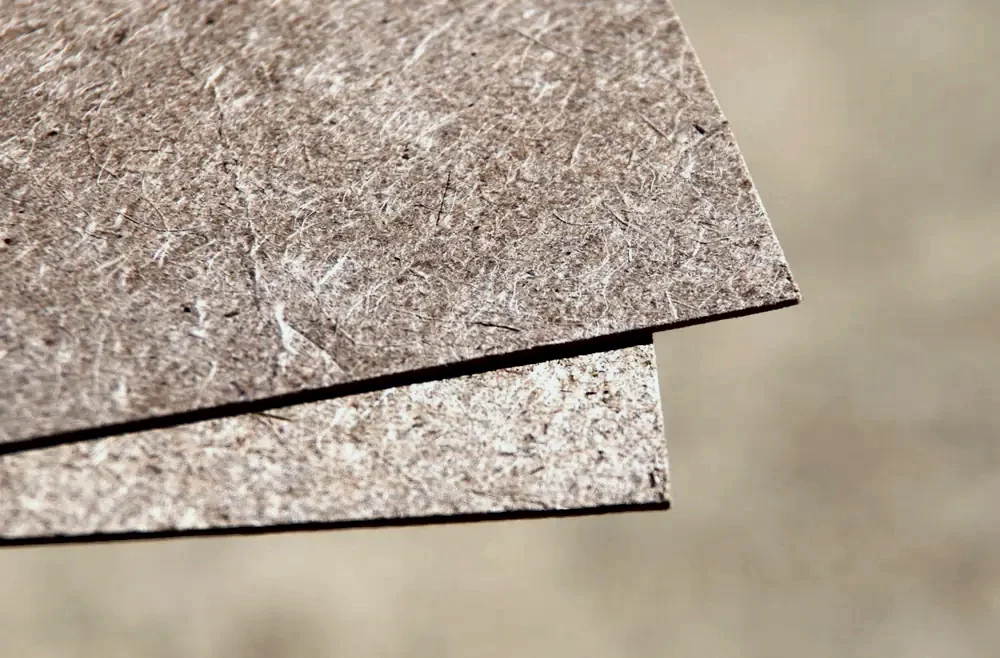
Roll of Papyrus fibre board Close-up of the edge of two Papyrus boards showing the fibre structure Fanned sheets of Papyrus paperboard Close-up of Papyrus board surface with visible plant fibres

Why Papyrus technology matters

Low environmental impact
Avoids harsh chemicals used in traditional chemical pulping.
Circular by design
Turns agricultural resources into valuable products.
Naturally strong
Uses the plant's own bonding for strength and performance.
Scalable and local
Deployable wherever agricultural resources are available.

Our facilities

From prototype to production

Rapid Prototyping & R&D Facility

Mawson Lakes, South Australia

Operational

Located at Adelaide University's Future Industries Institute, the facility moved into full operation in early 2026. It houses Papyrus' prototype pulp preparation system and thermoforming moulding line. The facility is successfully producing pulp at small commercial volumes for production trials and moulded products for testing and customer samples.

Commercial Production Facility

Adelaide, South Australia

In development

Planned as the first production scale installation of its pulp preparation system since the technology reset. More news coming soon.

Our team

Technology and manufacturing commercialisation focused

Papyrus Australia is led by a team with significant experience across technology commercialisation, manufacturing execution and supply chain excellence. This has enabled Papyrus to rapidly progress the reset of its technology into material commercialisation outcomes. Papyrus is supported by an outstanding network of experienced suppliers and contract partners through its commercialisation stage.

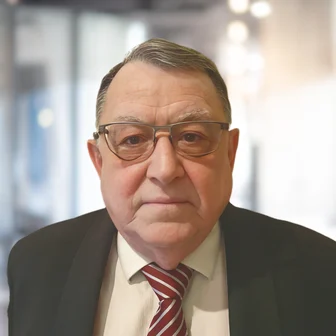
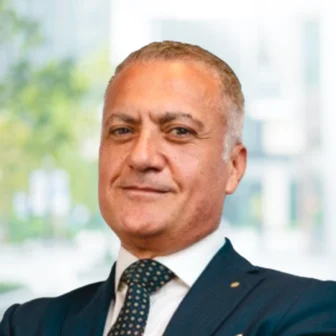
Al Jawhari

Executive Chair

Mr Al Jawhari

Adj. Industry Prof., Adelaide University | B.Eng (Aeronautical/Mechanical) | Lt. Col. (EAF, Ret.)

Al Jawhari is an innovator and technology commercialisation leader with more than 25 years of C-level leadership experience across defence, advanced manufacturing, retail, agriculture, food and wine, e-commerce and software platform development. He brings international commercialisation, governance and strategic leadership experience to Papyrus, supporting the company's growth and global opportunities.

Key expertise: technology commercialisation, strategic leadership, advanced manufacturing, international business
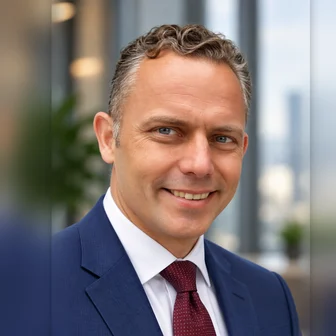
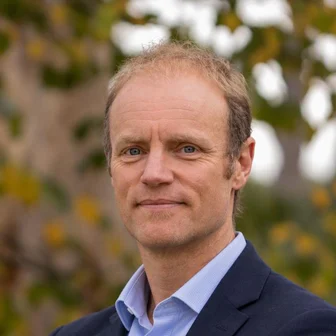
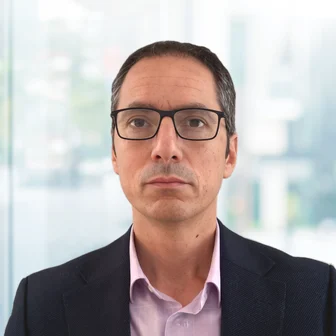
Daniel Schmidt

Chief Executive Officer

Mr Daniel Schmidt

B.Bus (Management/Retail)

Daniel Schmidt is a business leader with more than 20 years' experience in heavy industry, mining and manufacturing. He has held senior leadership roles in sales, operations and commercial functions, leading large multifunctional teams and delivering production and performance improvement at scale.

Key expertise: manufacturing, operations, commercial leadership, procurement, continuous improvement

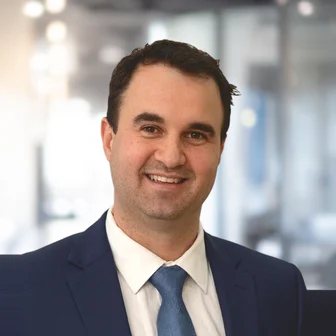
Jamie Foale

General Manager Operations

Mr Jamie Foale

B.Eng (Mechanical Engineering) | B.App.Sc (Energy Studies)

Jamie Foale brings more than 17 years' experience across engineering, operations and management in high-growth technology environments in the mining and industrial sectors. As a founding team member at mining technology scale-up MaxMine, he built and led teams, systems and cross-functional operations, with a practical focus on technical, operational and business outcomes.

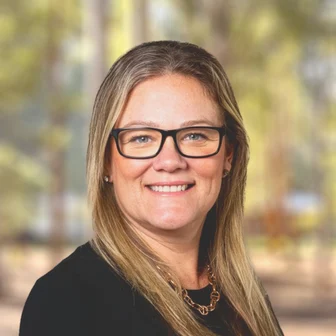
Immaculat Morais

Commercial Officer

Miss Immaculat Morais

MBA (Future Business) | B.Biomed Sci (Microbiology & Immunology) | B.Med Sci (Hons)

Immaculat Morais brings experience across commercial strategy, project delivery and business operations, supported by a multidisciplinary background in science and business. Her experience includes technology commercialisation, stakeholder engagement, corporate reporting, supplier and project coordination, and business development across Papyrus' commercialisation pathway.

Board of Directors and Company Secretary

Papyrus Australia's board brings governance, commercial and technical experience to the company's commercialisation.

Al Jawhari

Executive Chair

Mr Al Jawhari

Adj. Industry Prof., Adelaide University | B.Eng (Aeronautical/Mechanical) | Lt. Col. (EAF, Ret.)

Technology commercialisation leader with more than 25 years of C-level experience and four business exits.

Read full bioShow less

Al Jawhari is an innovator and technology commercialisation leader with more than 25 years of C-level leadership experience across defence, advanced manufacturing, retail, agriculture, food and wine, e-commerce and software platform development. With four successful business exits, he brings international commercialisation, governance and strategic leadership experience to Papyrus, supporting the company's growth and global opportunities.

Al is Co-Founder and Group CEO of Starke Advanced Manufacturing Group and Co-Founder of Innovate Inn and Jewel Creek Farm. He is an accredited AICD Director; Vice President, Board Director and South Australia Chair of the Australia Arab Chamber of Commerce and Industry; an Industry Advisory Member for the Australian Institute of Business Advisory Board and the Centre for Enterprise Dynamics in Global Economies at the University of South Australia; Australia–North Africa Managing Partner for Seed Forum Global Investment; and a Governors Council Board Member for Walford Anglican School for Girls in Adelaide.

Al received the Seed Forum Global Impact Award 2019 for Global Entrepreneurship Impact.

Vincent Rigano

Non-Executive Director

Mr Vince Rigano

BA Accounting | CPA

CPA with more than 25 years in corporate accounting, management consulting and company secretarial work.

Read full bioShow less

Vince is a CPA with more than 25 years' experience in corporate accounting, management consulting and company secretarial work. He was Company Secretary for Papyrus for a number of years.

Vince provides management accounting and consulting services to a variety of industry sectors, including start-ups.

David Attias

Non-Executive Director

Mr David Attias

MBA (Banking and Finance)

Serial entrepreneur bringing financial, analytical and technology experience to the Papyrus team.

Read full bioShow less

Driven by business opportunity, David brings a solid financial, analytical and technological background to the Papyrus team.

David is a serial entrepreneur, having founded and successfully managed e-commerce and hospitality businesses which are now profitable under management.

He is currently a Director at L39 Capital and a Non-Executive Director at Creative Food Australia, and has previously held a funds management position in a blockchain technologies investment fund. David's experience reflects his passion for property investment and portfolio management.

Brad Lemmon

Non-Executive Director

Mr Brad Lemmon

B.Com (Strategic Economic Analysis & Management) | AICD

More than 30 years leading operations and transformation in construction materials, mining services and recycling.

Read full bioShow less

Brad brings more than 30 years of experience across the construction materials, mining services, waste recovery and recycling industries, spanning operations and logistics, commercialisation, capability integration across business pillars and taking strategy through to execution.

A highly effective business leader with international trade experience and a strong governance focus, Brad has led a 500-strong multidisciplinary workforce through a major transformation, using a strategic capital investment program to deliver an efficient, sustainable and profitable footprint across a national network.

With key strengths in attracting strategic capital investment to activate growth and building high-performing teams, Brad has developed, implemented and led strategic reviews to modernise operations, with rigorous cost management and innovative commercial solutions.

Brad's qualifications and accreditations include a Bachelor of Commerce in Strategic Economic Analysis & Management, the Stanford Graduate School of Business Executive Program, the Mt Eliza Business School Advanced Management Program and AICD accreditation.

Arthur Stavrou

Non-Executive Director

Mr Arthur Stavrou

LLB | BCom

Commercial lawyer and founder of Standon Lawyers, with more than 20 years in practice.

Read full bioShow less

Arthur has practised as a solicitor for more than 20 years, having been admitted to practise in the Supreme Court of South Australia in 2002. He holds Bachelor of Laws and Bachelor of Commerce degrees and is a member of the Law Society of South Australia.

A highly credentialed commercial lawyer, Arthur is the founder of Standon Lawyers, where he practises principally in commercial and business law. He has extensive experience advising clients on complex commercial transactions and business matters, combining legal expertise with strong commercial acumen and practical strategic insight.

Arthur also brings significant senior executive and leadership experience, with a demonstrated ability to build and maintain strong, long-term professional relationships. His commercial, financial management and strategic growth experience extends across a diverse range of industries and jurisdictions, including the United Kingdom, Russia and Australia.

Patricia Vanni

Company Secretary

Ms Patricia Vanni

LLB | AGIA (Affiliate)

Dual-qualified lawyer with more than 20 years in corporate law and governance.

Read full bioShow less

Patricia has an extensive background in corporate law and corporate governance across multiple global locations and industries. She is a dual-qualified lawyer with more than 20 years' professional experience spanning corporate governance, mergers and acquisitions, contracts and compliance, as well as company secretarial services for ASX-listed, private and not-for-profit companies across several industries.

Patricia holds a Bachelor of Laws and is admitted to practise in Victoria, Australia, and Rio de Janeiro, Brazil. She is also an Affiliate of the Governance Institute of Australia.

Investors

Become part of the sustainable packaging shift

Papyrus Australia Ltd listed on the Australian Securities Exchange (ASX) in 2005. Shares are traded under the rules and supervision of the ASX. For the current price of Papyrus shares, see the ASX website (ASX code: PPY).

Investor FAQs

What are the benefits of the technology used to convert agricultural resources into useable products?

The process has distinct practical and environmental advantages over existing fibre production in the wood industry. In short, it converts what would otherwise be discarded into useable, in-demand products. The benefits include:

Reducing greenhouse gas emissions
Agricultural resources emit considerable methane when left to decompose. Papyrus processes these resources so they are no longer left to decompose.
Replacing plastics in food packaging
Plastic food packaging causes serious environmental and health issues, and commonly used natural plastic replacements such as bagasse and wood pulp are more expensive and energy intensive. Papyrus fibre replaces plastic, bagasse and wood pulp in many food packaging uses.
Water
The primary production process does not require additional water, and water is a by-product of the process.
Energy
The Papyrus process requires only a small percentage of the energy used by traditional methods, because it uses the existing strong bonds within the plant fibre. Conventional timber fibre needs high levels of energy to break down its natural bonds before pulping.
Landfill
Producing fibre from timber yields many fibres too short for practical use, contributing significantly to landfill. This does not happen with the Papyrus process.
Sustainable development
The raw material used to produce Papyrus fibre is usually discarded. The technology turns this secondary product into useable, in-demand, sustainable products.
What end products can be produced from agricultural resources?

The Papyrus technology converts agricultural resources, such as banana leaves, stalks and trunks, into refined fibre. Potential applications include compressed fibre (an MDF substitute), paper and furniture. Papyrus' immediate focus is producing fibre and moulded food packaging, including trays, plates, cup holders, egg cartons and clam shells.

What is Papyrus Australia's business strategy?

Papyrus' vision is to be the global technology leader for the conversion of agricultural resources into consumable products.

To achieve this, Papyrus' commercialisation strategy is to partner with organisations in major growing regions around the world. Opportunities range from supply agreements, where growers are paid for supplying agricultural resources, to joint ventures where Papyrus and a local organisation set up fibre and moulded packaging processing plants on or near farms.

When will Papyrus Australia Ltd expect to pay dividends?

The current policy of the Board of Directors is that any profits made during the development phase of the company will be reinvested into the business.

Why should I invest in Papyrus Australia Ltd?
Environmental benefits
Investing in Papyrus Australia Ltd helps address two key environmental and sustainability issues. Agricultural resources emit considerable methane when left to decompose; Papyrus processes it so it no longer decomposes. And plastic food packaging causes serious environmental and health issues, while natural replacements such as bagasse and wood pulp are expensive and energy intensive. Papyrus pulp replaces plastic, bagasse and wood pulp in many food packaging uses.
Demand and market potential
Globally there are 11.7 million hectares of banana and plantain plantations, producing 2.5 billion tonnes of agricultural resources each year that can be used by Papyrus' technology. There is clear market demand for cost-effective, environmentally sustainable products, but most researchers have not found a new fibre resource that doesn't create more problems than it solves. Papyrus fibre has a smaller carbon footprint and enhanced physical properties. The process reduces methane generation and creates sustainable alternatives to plastic and wood fibre, reducing pressure on natural habitat.

News

Latest from Papyrus

Papyrus Egypt contract benefits

The Egypt project is to expand to a full processing facility with capacity to process 180k tonnes of banana plantation waste annually. The project offers significant benefits: 1.…

All news In the press

Contact us

General and investor enquiries

info@papyrusaustralia.com.au

Principal place of business and registered office

Papyrus Australia Ltd
2–3 Greenhill Road
Wayville SA 5034

ABN 63 110 868 409

Follow us